

Sub-shift
“LIVE / PHYSICAL INTENSITY”
Shared occasions will need to offer something people can only contribute by taking part.

A concert includes the music and the people who happened to hear it together. A meal includes what was served and where the conversation went. Those details cannot be supplied in advance, however carefully the experience is planned.
As generated entertainment gives people more to enjoy at home, “LIVE / PHYSICAL INTENSITY” explores why some will still make the journey. The attraction may be a role in an occasion that depends on the people present: their reactions, contributions and willingness to spend that time together.
This is a demanding opportunity for venues, hospitality and leisure businesses. Having a physical location is not enough. The experience needs to offer involvement worth the arrangements required to attend.
The gathering changes the experience
A 2023 study by Wolfgang Tschacher and colleagues followed 132 audience members across three classical concerts and found forms of physiological and movement synchrony associated with aspects of the musical experience. The findings concern those concerts, rather than establishing that live events are universally better. They reveal a dimension of participation that a content-only account can miss. [79]
The consumer expectation we foresee is more deliberate choice between formats. A person might want a convenient stream one evening and a small shared occasion the next. A local performance, walk or recurring game can provide that involvement without the expense or sensory intensity of a spectacular destination.
For you, the question is what changes because the customer is there. Can participants influence what happens? Is there a shared focus, room for an unplanned exchange or a reason to return with the same people? These details can give a format character that scale alone cannot provide.
Make attendance possible
Physical presence asks for time, money and mobility. Caring responsibilities, disability and distance can make remote participation the better or only choice. Develop that version on its own merits; digital connection can be meaningful, and a hybrid experience need not treat remote guests as an afterthought.
AI may help with translation, orientation or preparation. Its useful contribution could be reducing the arrangements that stand between an interested person and an event. There is no requirement to make the experience conspicuously technological.
Over the next few years, pay attention to ordinary repeat attendance as well as sell-out launches. A customer who can fit an occasion into their life and wants to come back tells you something different from someone drawn once by spectacle. Better at-home experiences will keep improving the alternative. Your offer needs a specific reason for people to choose the gathering.
Early signs of change.
by TrendWatching
1 closely related example from the Innovation Database. Each helps explain an aspect of the shift. None establishes that the whole forecast will happen.
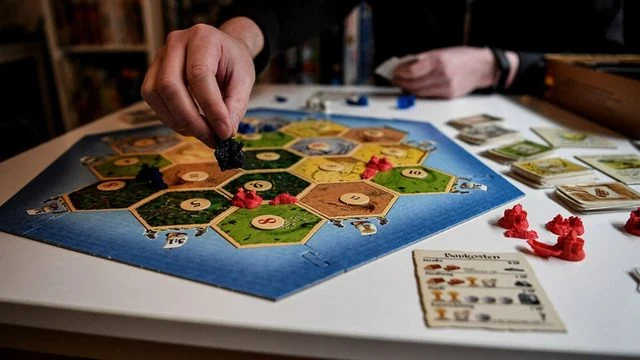
Asmodee opens a free hub for more accessible game nights
Asmodee is a tabletop-games publisher and distributor.
Accessibility information helps people arrange shared play; this non-AI example illustrates participation rather than automation.
Why this example is here
A non-AI participation example; uptake and wellbeing gains have not been established. The live site still labels game guides as coming soon.
Original sourceEditorial selection · reviewed 1 Nov 2026
Dates distinguish launches, announcements and substantial updates. Examples with a more indirect connection are labelled.
See the full selection for “MEANING AFTER EFFICIENCY”THE SOURCE NOTESFollow the thinking 1 source · what they show and where their limits lie
Sources and further reading
These sources inform the article. A product announcement describes an offer, not how widely people use it. Arguments and imagined futures are kept separate from observed results.
132 people, three classical concerts. Association and embodied response, not proof of live superiority or market growth.
About this research edition
This article draws on selected sources and our interpretation of their implications for consumers. The wider collection contains 50 articles and original illustrations. We have not read everything by everyone on the reading list, calculated the probability of each future or established worldwide adoption. The collection is not exhaustive.
The illustrations are AI-generated, with a visual approach informed by TrendWatching’s 2024 and 2025 reports. They depict ideas rather than observed events. If an article’s central idea changes, its image needs another look. Small edits need not mean a new illustration; automatic replacement is not active.
Each innovation has a source, a review date and an explanation of its relevance and limits. Some are early signs of the change; others offer a useful comparison. None proves the forecast. Monthly monitoring and automatic selection of new examples are not running.