

Sub-shift
“ORCHESTRATION LITERACY”
More people can direct work they could not produce alone. How will they learn to judge it?

Being good with digital tools has often meant learning how to operate them: the commands, menus and sequences that produce the desired result. AI changes some of that work. People can describe an ambition and receive something sophisticated enough to take seriously, including in fields they know little about.
That creates a different challenge. A plausible plan can conceal a bad assumption. A beautiful design can ignore the person who will use it. Consumers need ways to decide what they want, test what they receive and know when to involve someone with expertise.
We expect this ability to direct and evaluate assistance to become a more important part of everyday digital confidence. It will develop through use, mistakes and support, rather than through everyone becoming an expert in prompting.
The distinction between an experienced amateur and a complete beginner could change, too. Someone who can frame a problem, compare alternatives and recognize a limit may be able to attempt more without mastering every production skill. Help with those judgments could become part of what consumers pay for, alongside the ability to produce a result.
Choosing becomes part of the service
Consider the choices hidden inside a simple request to improve a home. More space for cooking might mean less room to sit. A cheaper option might be harder to maintain. The household has to decide which compromises it can live with. A system that makes those decisions silently can produce an impressive answer to the wrong problem.
The opportunity is to help people articulate what matters before asking them to approve the result. Show alternatives that make the trade-offs clear. Let them inspect a change and try something reversible. Explain the assumption that would most alter the recommendation if it were wrong.
Design platform Canva’s Brush, introduced on 29 October 2026 for supported edits on Pro plans, illustrates one useful feature: people can direct changes through AI and then adjust the design’s individual elements themselves. [106] Editable work gives them something to examine and revise. It does not, by itself, teach them how to judge a design.
Help with those judgments could become part of what consumers pay for, alongside the ability to produce a result.
Confidence needs somewhere to come from
People will arrive with very different amounts of time and relevant knowledge. Asking everyone to check every answer would consume much of the benefit of assistance. The amount of oversight should reflect what is at stake, with qualified help available for consequential decisions.
For brands, the learning can happen inside the service. Show what changed after a customer’s request and give them a way to explain what still feels wrong. Over time, that exchange could help someone express a preference more precisely and take on a more ambitious project.
If reliable systems eventually remove much of the need for oversight, this skill may become less prominent. For now, consumers gaining the power to request more also need practical ways to understand what they are accepting.
A customer who understands the options can choose with more confidence, explain what they want changed and decide when they would rather pay an expert. Those are useful gains to build a service around.
Early signs of change.
by TrendWatching
1 closely related example from the Innovation Database. Each helps explain an aspect of the shift. None establishes that the whole forecast will happen.
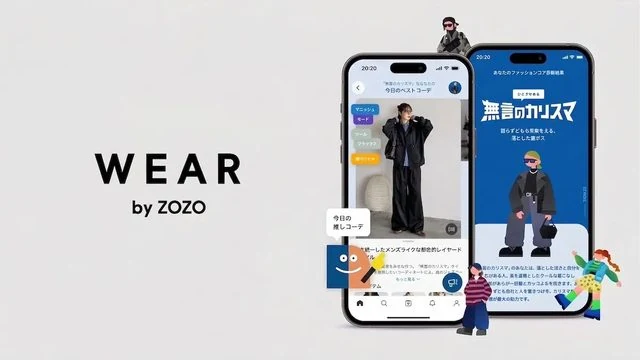
Product interface
An outfit recommendation comes with a reason and a try-on
ZOZO operates Japanese fashion platforms including WEAR.
Showing the reason for a recommendation can help shoppers compare options; it does not demonstrate lasting improvement in judgment.
Why this example is here
Virtual try-on illustrates a look; it is not a guarantee of physical fit. The experience also links to shopping on ZOZOTOWN.
Original sourceEditorial selection · reviewed 1 Nov 2026
Dates distinguish launches, announcements and substantial updates. Examples with a more indirect connection are labelled.
See the full selection for “CAPABILITY UNBOUND”THE SOURCE NOTESFollow the thinking 1 source · what they show and where their limits lie
Sources and further reading
These sources inform the article. A product announcement describes an offer, not how widely people use it. Arguments and imagined futures are kept separate from observed results.
Official newsroom date corroborates the launch day. Supported AI design edits for Pro users; individual elements remain editable. Broader availability and Brand Kit support are planned. No independent quality or adoption claim.
About this research edition
This article draws on selected sources and our interpretation of their implications for consumers. The wider collection contains 50 articles and original illustrations. We have not read everything by everyone on the reading list, calculated the probability of each future or established worldwide adoption. The collection is not exhaustive.
The illustrations are AI-generated, with a visual approach informed by TrendWatching’s 2024 and 2025 reports. They depict ideas rather than observed events. If an article’s central idea changes, its image needs another look. Small edits need not mean a new illustration; automatic replacement is not active.
Each innovation has a source, a review date and an explanation of its relevance and limits. Some are early signs of the change; others offer a useful comparison. None proves the forecast. Monthly monitoring and automatic selection of new examples are not running.