

Sub-shift
“ACCESS OVER OWNERSHIP”
Useful capability could become part of membership, education or public life.

Choosing another AI subscription is a task of its own. Compare the tools, decide which claims to trust, learn to use one and work out what happens to the information you put into it. A person who would benefit from assistance may have little appetite for that purchase.
“ACCESS OVER OWNERSHIP” explores a different route: capability secured through an institution or group that also helps people use it. A school, professional association or local service could make useful assistance part of an existing relationship.
An individual software subscription already offers access rather than ownership. The distinctive change here is who arranges the access, provides support and has a say in the rules. For some people, that could make a capability usable without another private bill or selection process.
Someone else can help make the choice
Collective purchasing can bring resources and expertise to a decision that each household would otherwise face alone. It can also narrow choice or tie people to an institution’s priorities. The quality of the relationship matters as much as the price.
Elinor Ostrom’s 2010 work on varied forms of governance challenges the assumption that every arrangement must fit a simple market-versus-state choice. Applied to AI, it invites questions about who contributes, benefits and can challenge the terms. It does not establish that a public or cooperative service will work well by definition. [83]
Over the next one to three years, we would look for models that combine access with local knowledge, guidance and continuing support. The customer might arrive as a member, student or resident rather than a buyer of unfamiliar software. That changes where trust begins and what the provider is expected to do.
A shared contract still serves individuals
If you want to build for institutions, consider the people inside the agreement. They need to understand what the organization can see, which uses are optional and what happens when they leave. A purchasing department’s consent is not a substitute for a person’s control over unrelated parts of their life.
Funding can end and suppliers can change. Preserve useful work where possible and make the limits of continuing access clear from the start. Otherwise a generous-looking benefit can become a difficult dependency.
The opportunity for you is to supply a dependable arrangement: relevant tools, support and understandable terms, adapted to the group being served. Count successful use and meaningful recourse alongside accounts issued. People gain little from nominal access to something they cannot confidently put to work.
Early signs of change.
by TrendWatching
2 closely related examples from the Innovation Database. Each helps explain an aspect of the shift. None establishes that the whole forecast will happen.

Campaign or promotional image
Dubai gives families a free guide to using AI together
GenDubAI is a family AI-literacy initiative from Dubai's public institutions.
Public institutions provide family AI-literacy support without requiring each person to buy a private subscription.
Why this example is here
An Arabic- and English-language pilot for families with children aged 8–15. It offers guidance, not premium AI subscriptions or proven reductions in inequality.
Original sourceEditorial selection · reviewed 1 Nov 2026
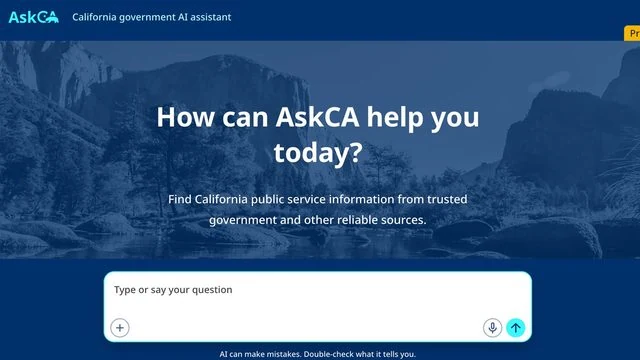
Product interface
Ask for help without first learning how government is organized
AskCA is a California government AI-assistant prototype.
AI capability is being supplied as public-service infrastructure; pilot scope and mistakes remain explicit.
Why this example is here
A prototype that can make mistakes, not a benefit decision or guarantee of eligibility. Pilot recruitment was for California residents aged 18 and over; improved access outcomes have not been established.
Original sourceEditorial selection · reviewed 1 Nov 2026
Dates distinguish launches, announcements and substantial updates. Examples with a more indirect connection are labelled.
See the full selection for “UNEQUAL TOMORROWS”THE SOURCE NOTESFollow the thinking 1 source · what they show and where their limits lie
Sources and further reading
These sources inform the article. A product announcement describes an offer, not how widely people use it. Arguments and imagined futures are kept separate from observed results.
Governance lens, not research validating contemporary AI commons.
About this research edition
This article draws on selected sources and our interpretation of their implications for consumers. The wider collection contains 50 articles and original illustrations. We have not read everything by everyone on the reading list, calculated the probability of each future or established worldwide adoption. The collection is not exhaustive.
The illustrations are AI-generated, with a visual approach informed by TrendWatching’s 2024 and 2025 reports. They depict ideas rather than observed events. If an article’s central idea changes, its image needs another look. Small edits need not mean a new illustration; automatic replacement is not active.
Each innovation has a source, a review date and an explanation of its relevance and limits. Some are early signs of the change; others offer a useful comparison. None proves the forecast. Monthly monitoring and automatic selection of new examples are not running.