

Sub-shift
“PERSONAL PREVENTION”
As health signals arrive earlier, consumers will expect somewhere useful to take them.

Finding out earlier sounds like an uncomplicated improvement. Until someone has a warning they do not understand, a long wait for advice and no idea whether tomorrow should look different from today.
Personal health information is moving beyond explaining what someone feels today. A possible future condition can enter an ordinary morning before symptoms have prompted a visit. “PERSONAL PREVENTION” follows a new consumer expectation: let me choose which of those possibilities I want to know about, and give me an accessible way to respond when I do.
That could change what people are willing to buy. A customer may value a narrowly defined service with a dependable route to assessment more than a comprehensive account of everything that might go wrong. Another may want a broader picture. As more risks become visible, the scope of knowing becomes part of the choice.
What does this mean for me?
The consumer relationship changes when a service identifies a possibility that someone cannot assess alone. The explanation needs to make clear what has been detected, how uncertain it is and what the person can reasonably do with it. A notification must not quietly acquire the authority of a diagnosis.
The practical questions follow quickly. What should the person bring to a professional? Can they obtain an assessment? What will it cost, and how much time will it require? A more sophisticated explanation will not resolve all of those questions.
Over the next one to three years, we expect services to compete on how well they connect an evaluated finding with understandable, accessible support. That gives you opportunities beyond the device: practical navigation, appropriate professional partnerships and assistance with the arrangements that otherwise prevent follow-through.
Prevention for the life someone has
Advice can assume a great deal about its recipient. Time to cook differently. Control over a working day. Money for another appointment. If your proposition depends on those resources, they belong in your understanding of the customer from the beginning.
A useful service can offer choices that fit different circumstances, explain uncertainty without escalating fear and make clear when its responsibility ends. An alarming result is a poor moment to discover that the next step is an expensive unrelated upgrade.
Consumers may also want fewer signals, selected for a particular purpose. Respect that choice where clinically appropriate. The ambition is to help someone act well on information they wanted, rather than persuade them that maximum observation is the price of being responsible.
For you, the next offer may sit in that choice: a specific concern, a level of information the customer wants and support they can actually use. Establishing better health requires outcome evidence beyond accurate detection. In the meantime, you can test whether the service helps people make sense of uncertainty and reach appropriate assistance without adding disproportionate burden.
Early signs of change.
by TrendWatching
1 closely related example from the Innovation Database. Each helps explain an aspect of the shift. None establishes that the whole forecast will happen.
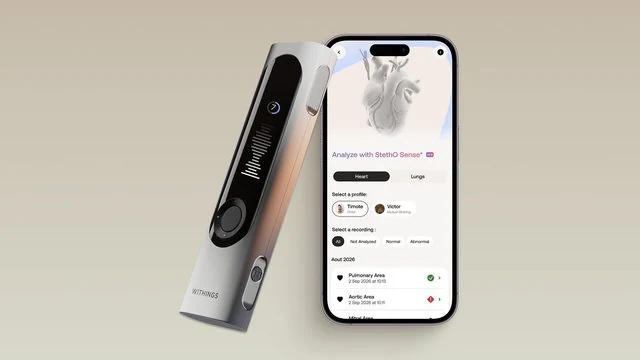
Product image
Home recordings become a starting point for a health conversation
Withings makes connected health devices.
Home heart/lung recordings can yield potential findings to discuss with a clinician; this does not demonstrate prevention or improved outcomes.
Why this example is here
Requires BeamO, Withings+ and supported software in eligible EU/EEA territories. Results are not a diagnosis or an emergency service, and a reassuring result cannot rule out illness.
Original sourceEditorial selection · reviewed 1 Nov 2026
Dates distinguish launches, announcements and substantial updates. Examples with a more indirect connection are labelled.
See the full selection for “LIFE UNDER CARE”THE SOURCE NOTESFollow the thinking 0 sources · what they show and where their limits lie
Sources and further reading
These sources inform the article. A product announcement describes an offer, not how widely people use it. Arguments and imagined futures are kept separate from observed results.
About this research edition
This article draws on selected sources and our interpretation of their implications for consumers. The wider collection contains 50 articles and original illustrations. We have not read everything by everyone on the reading list, calculated the probability of each future or established worldwide adoption. The collection is not exhaustive.
The illustrations are AI-generated, with a visual approach informed by TrendWatching’s 2024 and 2025 reports. They depict ideas rather than observed events. If an article’s central idea changes, its image needs another look. Small edits need not mean a new illustration; automatic replacement is not active.
Each innovation has a source, a review date and an explanation of its relevance and limits. Some are early signs of the change; others offer a useful comparison. None proves the forecast. Monthly monitoring and automatic selection of new examples are not running.