

Sub-shift
“PERMISSIONED INTIMACY”
People may share more personal context when they can keep the relationship within a useful purpose.

A private letter can be difficult to understand. Sharing it with an assistant might help. That does not mean its contents should become part of every future recommendation, or that somebody else in the household should be able to retrieve them later.
This is the practical bargain behind “PERMISSIONED INTIMACY”. People may be willing to reveal something sensitive for worthwhile help, while expecting that disclosure to stay within the task or relationship that justified it. Over the next one to three years, we expect more services to compete on how well they support that selective exchange.
More context, more useful help
Personal information can materially improve assistance. An explanation can be tailored to the document someone is looking at; a travel service can work with the booking they actually made. Connections between services make these uses easier, but also make it easier for information to travel beyond its original setting.
Google’s 28 October 2026 Chrome update illustrates the growing value of those connections. Enhanced autofill can suggest order, tracking and flight details from Gmail. The initial rollout covers US Gemini in Chrome users with Personal Intelligence enabled, across desktop, Android and iOS. Google describes settings for whether the feature is enabled and what it can access. The announcement does not establish every fine-grained permission a consumer might want. [113]
The next consumer expectation may be more specific: use the information needed to help me here, without making wider access the price of a useful answer. That could mean sharing a selected document instead of an account or ending access after a temporary task. These are proposed service choices, not additional capabilities claimed for Chrome.
A boundary people can live with
Helen Nissenbaum’s 2004 contextual-integrity argument treats appropriate information flows as dependent on the relationship and circumstances. Information does not become suitable for every use merely because someone shared it once. That helps explain why a person can want both personalization and limits from a connected assistant. [22]
There is a danger in answering that desire with endless controls. A person dealing with a difficult document may have little appetite for designing a data policy. Some will keep the default, and others may avoid the service altogether. A useful limited mode needs to be understandable and effective in the moment it is needed.
For a business, that makes the narrower offer worth designing properly. Let a customer get meaningful help without connecting everything. Explain the additional benefit when more context would make a difference. Give them a way to end that access without pretending that doing so can reverse every action already taken.
The value is a relationship that can deepen or narrow as circumstances change. A customer might need extensive help during a house move, then return to a simpler service afterwards. If you can accommodate that change, you have a better chance of remaining useful than if every temporary disclosure becomes a permanent condition of belonging.
Early signs of change.
by TrendWatching
3 closely related examples from the Innovation Database. Each helps explain an aspect of the shift. None establishes that the whole forecast will happen.
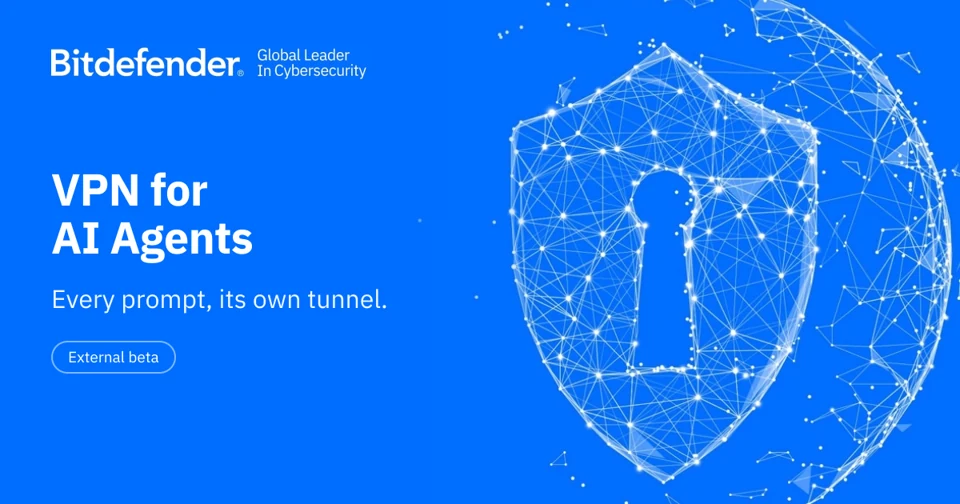
Campaign or promotional image
A separate connection for an AI agent's browsing
Bitdefender is a cybersecurity company.
Supported agent traffic can use a separate network route; the tool does not conceal prompts from the AI provider.
Why this example is here
Available initially for Apple-silicon Macs. This protects a specific network route, not all activity or the information sent to the AI provider.
Original sourceEditorial selection · reviewed 1 Nov 2026
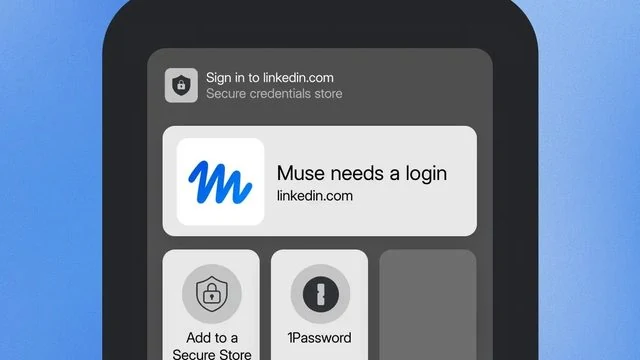
Product interface
Let the agent sign in without handing it the password
1Password makes password and identity-security tools.
Access can be granted for a useful purpose without copying the underlying password into the agent.
Why this example is here
Partner availability varies and some integrations were still forthcoming. Protecting credentials does not guarantee that every subsequent agent action is correct or authorized.
Original sourceEditorial selection · reviewed 1 Nov 2026

Product image
Privacy controls become part of the glasses people can see
HTC makes connected devices and immersive technology.
Recording and sharing limits become visible product features, extending negotiated trust to the people around the wearer.
Why this example is here
These are manufacturer-described controls, not an independent privacy guarantee. The spoken stop feature must be enabled; users still need any required recording consent. AI requests can use external services.
Original sourceEditorial selection · reviewed 1 Nov 2026
Dates distinguish launches, announcements and substantial updates. Examples with a more indirect connection are labelled.
See the full selection for “TRUST ON MY TERMS”THE SOURCE NOTESFollow the thinking 2 sources · what they show and where their limits lie
Sources and further reading
These sources inform the article. A product announcement describes an offer, not how widely people use it. Arguments and imagined futures are kept separate from observed results.
Full authored body read. Rollout began 28 October in the US, on desktop, Android and iOS, for Gemini in Chrome users with Personal Intelligence enabled. Suggests order, tracking and flight details from Gmail; settings govern enabling and access. Does not prove granular document permissions, independent privacy implementation or consumer demand.
Appropriate information flow depends on context; established norms are not automatically morally correct or unchangeable.
About this research edition
This article draws on selected sources and our interpretation of their implications for consumers. The wider collection contains 50 articles and original illustrations. We have not read everything by everyone on the reading list, calculated the probability of each future or established worldwide adoption. The collection is not exhaustive.
The illustrations are AI-generated, with a visual approach informed by TrendWatching’s 2024 and 2025 reports. They depict ideas rather than observed events. If an article’s central idea changes, its image needs another look. Small edits need not mean a new illustration; automatic replacement is not active.
Each innovation has a source, a review date and an explanation of its relevance and limits. Some are early signs of the change; others offer a useful comparison. None proves the forecast. Monthly monitoring and automatic selection of new examples are not running.